Dry Storage in Dammam: How Restaurants Keep Ingredients Fresh in 2026
Behind every busy kitchen on the Eastern coast sits an unglamorous hero: the store room. For restaurants, cafes, and catering firms, dependable dry storage in Dammam decides whether your flour stays bakeable, your spices stay aromatic, and your bottom line stays healthy. This 2026 guide explains how food businesses in the Dammam and Khobar area can protect shelf-stable stock from heat, humidity, and pests while staying on the right side of food-safety rules.
Coastal humidity makes the Eastern Province a tougher environment than the dry interior. Salt-laden air and warm nights accelerate spoilage, so a store room that works in Riyadh may struggle here without the right controls.
The Backbone of Every Kitchen: Dry Storage in Dammam
Dry goods form the largest share of most restaurant inventories by volume. Rice, oil, canned goods, pasta, sugar, and packaged spices all live outside the fridge, and they still need protection.
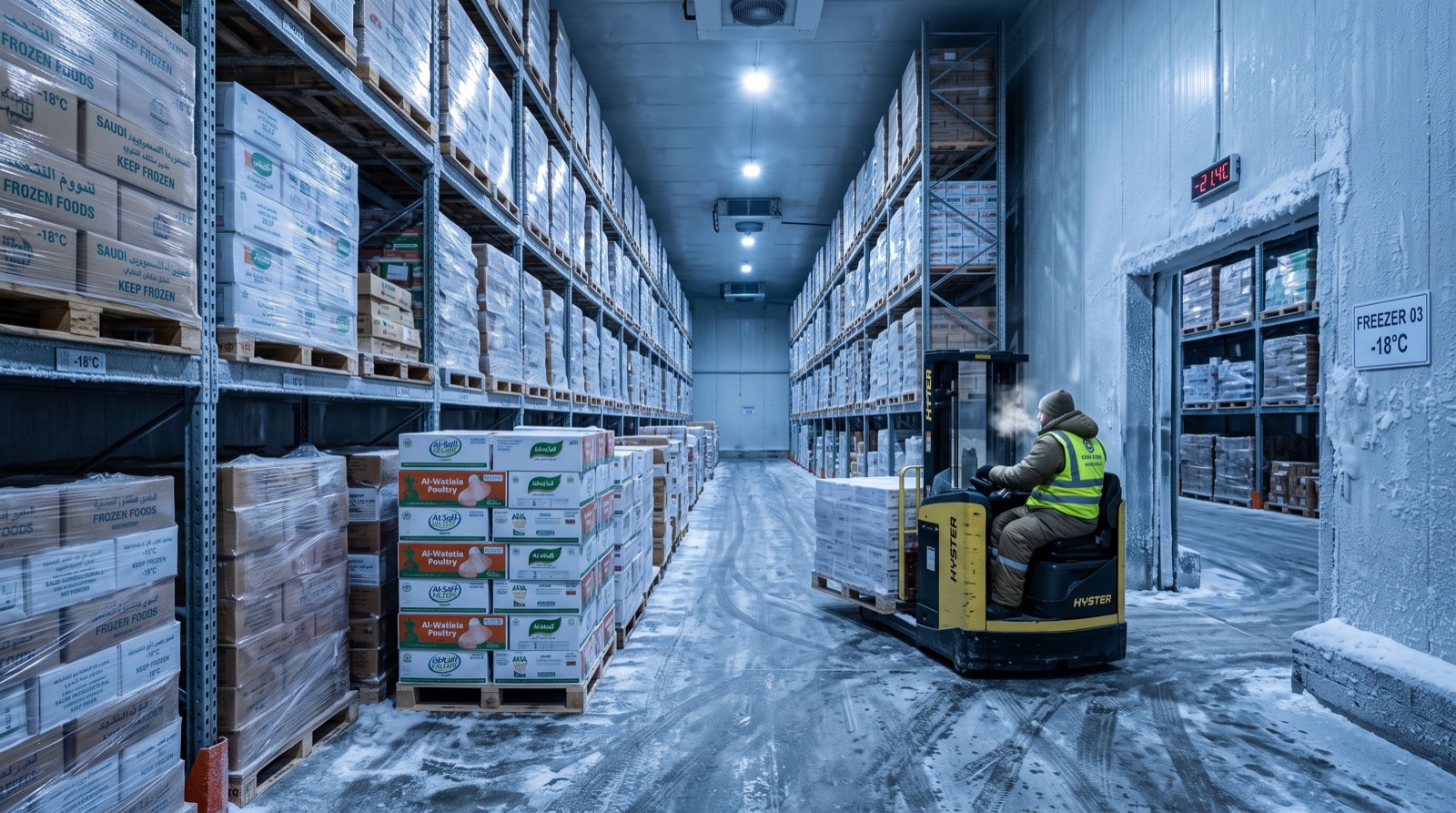
Purpose-built dry storage in Dammam holds temperature and humidity steady so ingredients reach the line in perfect condition. Outsourcing bulk stock to a dedicated facility also clears clutter from cramped back-of-house areas, letting your team move faster during service.
Which Ingredients Belong in Dry Storage?
Knowing what goes where prevents cross-contamination and waste. The following items are the everyday backbone of a dry store:
- Grains and starches: rice, flour, pasta, couscous, and oats
- Canned and jarred goods: tomatoes, legumes, and sauces
- Cooking oils and shortening in sealed containers
- Sugar, salt, and dry baking ingredients
- Whole and ground spices, sealed to preserve aroma
- Packaged snacks, crackers, and dried fruit
Reliable Dry Storage In Dammam gives each of these categories a stable home, well off the floor and away from any wet zones.
Stock Rotation: The FIFO Rule That Saves Money
Even a perfect store room fails if stock sits forgotten. The first-in, first-out method keeps older inventory moving before newer deliveries.
How to run FIFO in practice
Label every carton with its delivery date and place newer stock behind older stock. Train staff to always pull from the front. This single habit cuts spoilage dramatically and keeps your cost of goods predictable.
Track and audit regularly
Walk the store weekly, note near-expiry items, and plan menu specials around them. A short, consistent audit beats a frantic monthly clear-out every time.
How Do Humidity and Heat Affect Dammam Warehouses?
The Eastern Province combines high heat with coastal moisture, a punishing mix for dry goods. Flour clumps, sugar hardens, and spices lose their punch when humidity creeps in.
The table below shows how common ingredients react and what conditions protect them best.
| Ingredient | Ideal humidity | Spoilage sign |
|---|---|---|
| Flour and grains | Below 60 percent | Clumping, weevils |
| Sugar and salt | Low, sealed | Hardening into blocks |
| Spices | Cool and dark | Faded aroma and color |
| Canned goods | Stable, dry | Rust and swelling |
| Cooking oil | Cool, dark | Rancid smell |
Serving restaurants specifically, a provider offering Storage for Restaurants can maintain the low-humidity, temperature-controlled conditions that coastal kitchens cannot achieve in a back room.
Compliance and Food Safety in 2026
Food storage in the Kingdom is regulated for good reason. The Saudi Food and Drug Authority sets clear expectations for how ingredients are handled, labeled, and protected from contamination.
You can review official guidance directly from the Saudi Food and Drug Authority before your next inspection. A compliant store room means labeled shelves, pest control records, cleaning schedules, and clear separation between raw packaging and open food.
Documentation matters
Keep delivery logs, temperature checks, and cleaning records. If an inspector asks, paperwork proves your process is deliberate rather than accidental.
Designing a Store Room That Speeds Up Service
Storage is not only about preservation. A well-laid-out store room shaves precious minutes off every prep shift, which matters when a dinner rush hits.
Zone by frequency of use
Place daily staples like rice, oil, and flour at waist height near the entrance. Reserve harder-to-reach shelves for slow-moving specialty items you touch once a week. This simple ergonomics rule reduces bending, reaching, and wasted trips.
Label everything clearly
Bold, consistent labels let any team member find an ingredient without asking. Add a visible par-level note so staff know when to reorder before you run out mid-service.
Pest Control in a Coastal Climate
Warmth and humidity make the Eastern Province attractive to pests, and a single infestation can force you to dump entire pallets of grain. Prevention is far cheaper than a shutdown.
- Seal all dry goods in rodent-proof and insect-proof containers
- Inspect incoming deliveries before they enter the store
- Keep a professional pest-control schedule with written records
- Remove cardboard packaging quickly, as it harbors insects
A managed storage facility layers these defenses into daily routine, so pests never get the foothold that a busy in-house team might miss during a hectic week.
Planning Storage Capacity for Growth
Many restaurants outgrow their back room within a year of opening. Rather than cramming more onto existing shelves, plan capacity around your busiest month and leave headroom.
Outsourcing bulk stock to a scalable facility means you can add covers, launch catering, or open a second branch without a storage crisis. Flexible dry storage in Dammam grows with your menu instead of holding it back.
Frequently Asked Questions
How far off the floor should dry goods sit?
Keep everything at least 15 centimeters off the floor on sealed shelving. This allows cleaning underneath, improves air flow, and blocks pests and floodwater from reaching your stock.
Can I store cleaning chemicals in the same room as food?
No. Chemicals and food must be fully separated to prevent contamination and odor transfer. Dedicate a different zone or room entirely for any cleaning agents.
How often should a restaurant store room be cleaned?
Wipe shelves and sweep floors weekly, with a deeper clean monthly. Regular cleaning stops pest infestations and keeps you audit-ready at all times.
Is outsourced storage worth it for a small cafe?
Often yes. Even small operators benefit from offloading bulk, slow-moving stock to a controlled facility, freeing precious kitchen space and reducing spoilage losses.
Conclusion
Smart dry storage in Dammam protects your ingredients, your compliance record, and your margins all at once. In a coastal climate that fights against fresh flour and fragrant spices, a controlled, well-run store room is a genuine competitive advantage in 2026.
Partner with trusted trusted professionals and give your kitchen the reliable foundation it needs. Reach out today to design storage that keeps every ingredient service-ready.